
Cables & Wire
Cables & Wire
Cables & Wire
Cables & Wire
Cables & Wire
Cables & Wire
Cables & Wire
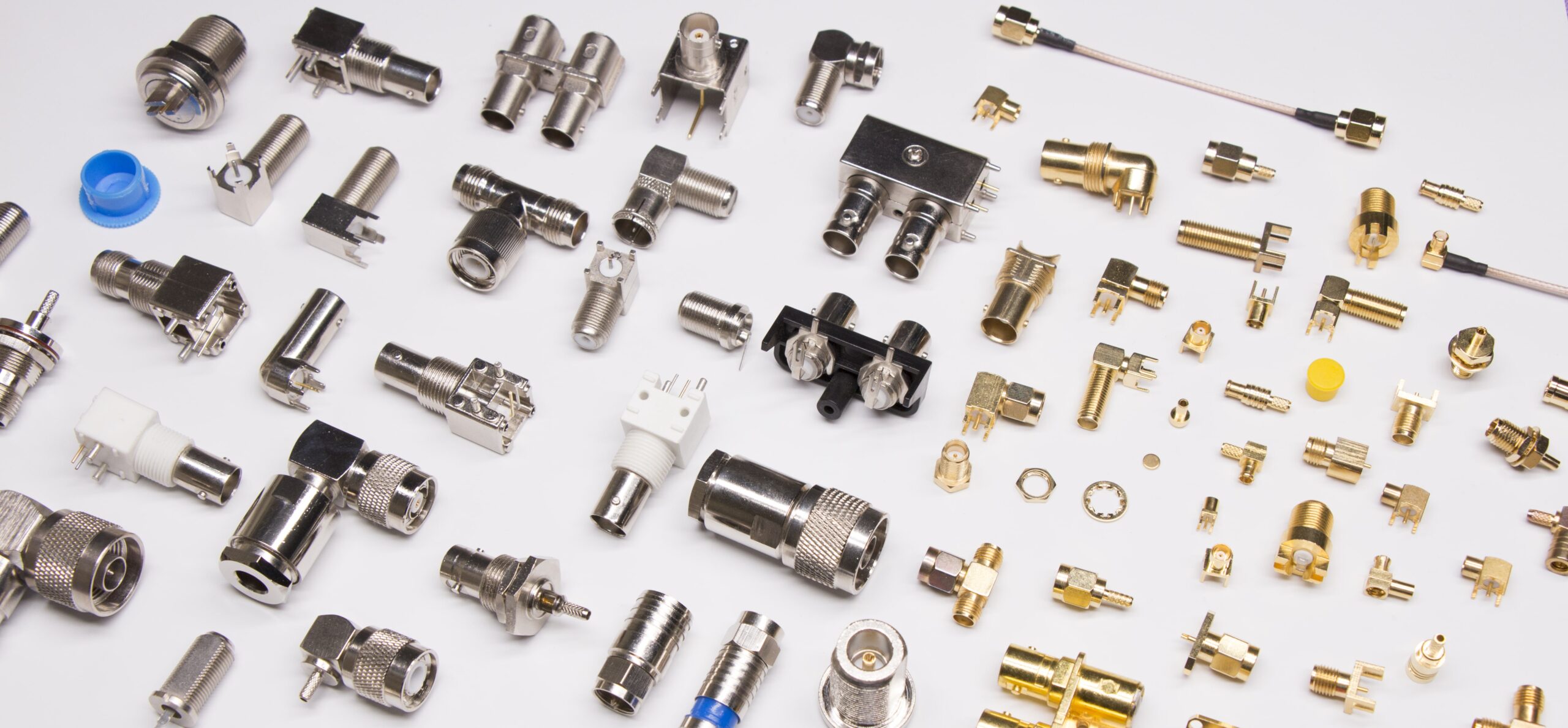
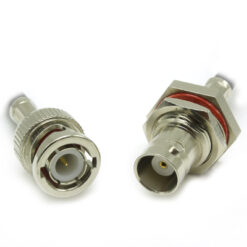
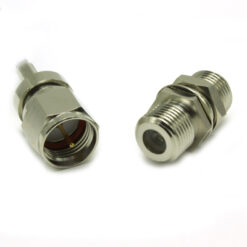
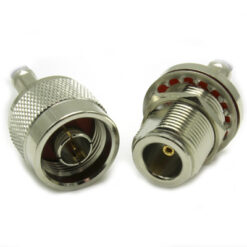
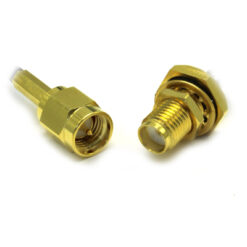
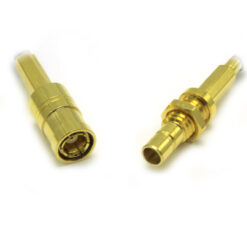
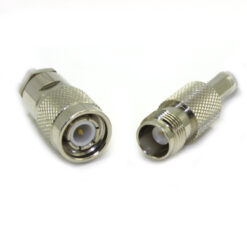
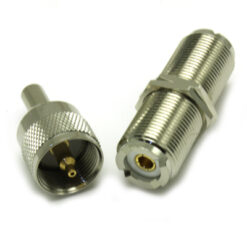
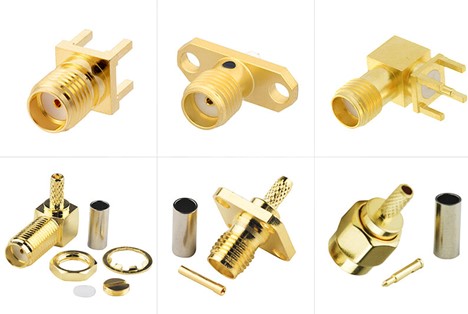
An RF connector (Radio Frequency connector, also called a coaxial connector) is designed to maintain the shielding of coaxial cables. It provides a secure connection and supports multiple mating cycles, with various fastening options available.
Common Connectors: SMA, SMB, MCX, MMCX, BNC, TNC, N, F, UHF, CRC9, TS9
Genders: Male (plug) and female (jack)
Impedance Matching: The connector must match the system and coaxial cable impedance (50Ω or 75Ω). Mismatched impedance reduces performance.
Voltage Rating: Ensure the working voltage stays below the connector’s maximum tolerance.
Application Needs: Consider frequency range, durability, and environmental factors.
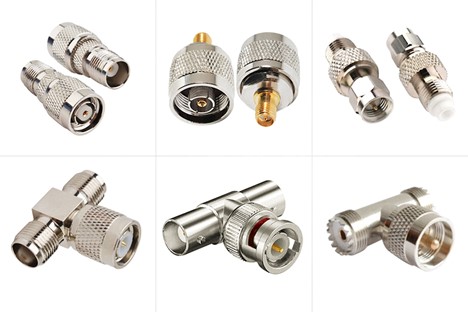
A passive coaxial component that transfers signals between different connector types.
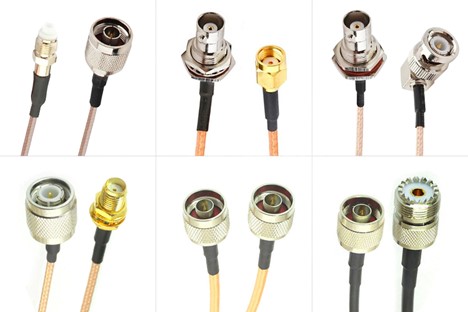
RF (Radio Frequency) cables are a type of coaxial cable designed to transmit high-frequency signals. Common applications include:
TV & Broadcast Signals (Cable TV, Satellite TV)
Internet & Telecom (RF signals in networking)
Radio & Wireless Communication (Antennas, transmitters, receivers)
Medical & Military Equipment (High-frequency signal transfer)
The four main types of coaxial cables are:
Hard Line Coaxial Cable – Thick, rigid, used in high-power transmission (e.g., broadcast towers).
Flexible Coaxial Cable – Bendable, common in home TV/internet (e.g., RG-6, RG-58).
Semi-Rigid Coaxial Cable – Holds shape when bent, used in precision RF applications.
Formable Coaxial Cable – Flexible but can be shaped (used in custom installations).
Cables & Wire
Cables & Wire
Cables & Wire
Cables & Wire
Cables & Wire
Cables & Wire
Cables & Wire